
Lehi City Directory Collections
The known runs are a mix of statewide gazetteers, regional county directories, and local-history companions. A catalog record often tells you that a volume exists, but the exact Lehi pages and image access still need checking. That distinction keeps a city directory search honest.
| Collection | Years / coverage | Where to look | What it offers |
|---|---|---|---|
| Utah State Gazetteer and Business Directory | 1900; 1903–04; 1908–09; 1912–13; 1914–15; 1916–17; 1918–19; 1920–21; 1922–23; 1924–25; 1927–28; 1930–31 | FamilySearch catalog | Regional people and business clues |
| Utah state gazetteer and business directory | 1920–1921 | FamilySearch Library, 3rd Floor Book, 979.2 U34p 1920–1921 | Cataloged volume and page-level lead |
| Provo City and Utah County directory | Exact run years not located | FamilySearch and library catalog leads | Regional title includes Lehi, subject to checks |
| Newspapers, yearbooks, and Sanborn maps | Varies by collection | Lehi Historical Society | Names, events, school links, street context |
Some years may be absent, and the research did not establish a complete local run or a confirmed standalone reverse-directory shelf. Treat catalog, library, and Society staff as the access chain. Never fill a missing year with an assumption.
Read a Lehi Directory Entry
A page image or catalog scan should be read as a record with fields, not as a modern profile. The research inspection did not provide a fully legible private Lehi entry, so the following is the field inventory to transcribe when a permitted image is opened. Record spelling exactly, including marks and abbreviations.
| Name | Surname and given name, with household or business name if printed. |
|---|---|
| Address | House number and street, city or county, plus page and image link. |
| Occupation | Business or occupation line exactly as the volume presents it. |
| Publisher and year | Title, publisher, volume, year, repository, and page number. |
| Notation | “Removed,” “widow,” “boarder,” cross-reference, or other marks when present. |
- Criss-cross directory
- An address-order section that lets a researcher move from street to name.
- Householder index
- An index organized around the main household name, useful before reading street pages.
- Abbreviation key
- The volume’s guide to short forms; transcribe it before interpreting entries.
Trace Lehi City Directory Households
Choose one surname and a likely year, then move in small steps. Pair directory years with census years, deeds, vital indexes, and newspapers. If the name changes, keep the old spelling and locality in your notes. This method works for family history and heir research because it shows when a household appears, moves, changes its business line, or disappears.
- Search the surname in the most likely gazetteer or regional volume.
- Copy the exact address, household names, business line, publisher, year, and page.
- Repeat in the next available year and compare address, relative, and occupation wording.
- Check a deed, newspaper notice, census-era record, cemetery result, or vital index for the change.
- Use a modern parcel or resident record only as a separate verification step.
A disappearance can mean a move, death, omission, spelling change, or a publication gap. A newspaper, deed, cemetery record, or vital index helps distinguish those possibilities. A listing is never proof of uninterrupted residence.
Lehi City Directory Shelves
The Lehi Public Library at 131 N 100 E offers computers, Wi-Fi, copying, print books, digital titles, and an online resources link. Ask staff to verify current local-history, newspaper, yearbook, FamilySearch, HeritageQuest, or licensed access before planning a visit around one named resource.
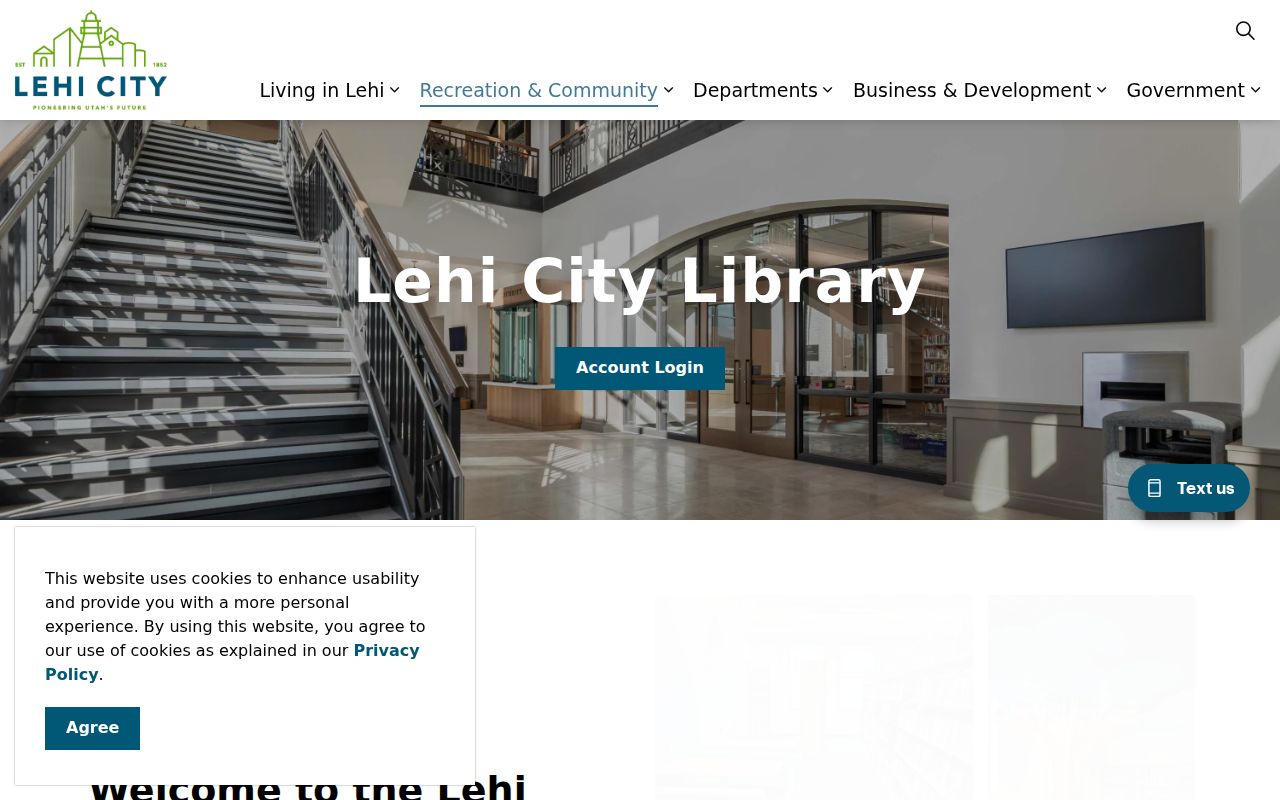
The library image points to a practical research stop when a city directory scan is restricted or a catalog needs staff help.
The Lehi Historical Society is the local specialist at 99 W Main, Suite 100. It is open Tuesday through Thursday noon–5 and at other times by appointment. Its catalog covers people, businesses, schools, events, and family histories. Most physical copies are available, while high-resolution image requests may have a small fee. Call 801-768-1570 or email lehihistory@gmail.com.
Lehi City Directory Newspaper Years
The Historical Society links digitized Lehi newspapers and identifies the Lehi Free Press digitization as grant-supported. A commercial index reports Lehi Banner 1891–1914, Lehi Sun 1915–1949, and Lehi Free Press 1932–1977, but those runs should be checked against the local collection before being treated as complete. Newspapers can add obituaries, legal notices, anniversaries, school achievements, and community events to a directory clue.
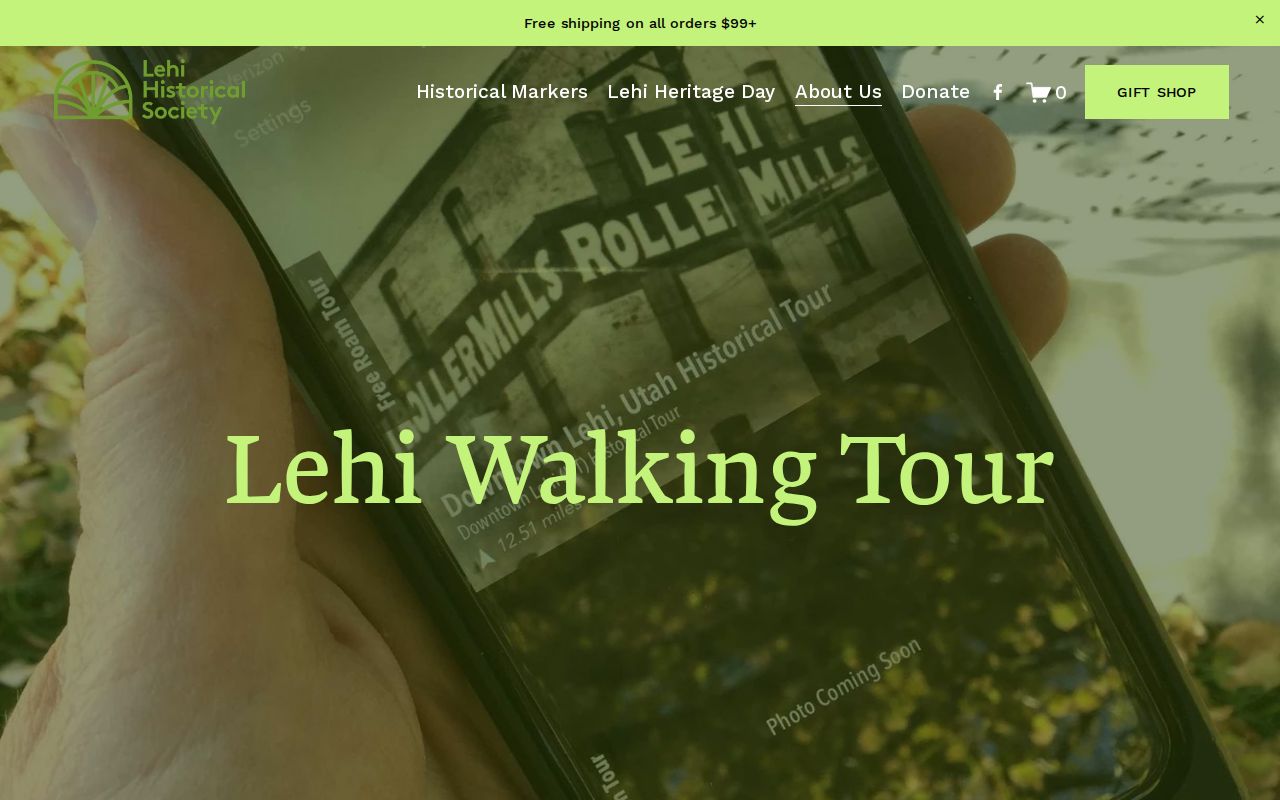
The Society’s free walking tour has 16 stops over 2.6 miles. It helps connect an old name to surviving civic places without turning historical context into a current address claim.
Pair Lehi Directories With Maps
Lehi High School and Lehi Junior High yearbooks were digitized in 2020 through Ancestry. The Society says an Ancestry account can provide access, while the library may have licensed options. A yearbook gives class, photograph, and surname clues, but it does not establish a later address.
Sanborn Fire Insurance maps from 1890, 1898, and 1907 cover commercial, industrial, and residential sections. Match a building footprint and street context to a directory address or deed date. Include early locality names, such as Sulphur Springs, Dry Creek, and Evansville, in searches because a modern Lehi filter can hide an older record.
Check Lehi Directory Archive Rules
The archive inventory names Carnegie Library circulation books for several periods from 1943–44 through 1998–99, minute books, petty-cash books, interlibrary loan books, city histories, cemetery photography documentation, and family or local-history material. A circulation book’s existence does not mean borrower names are open. Ask the Society or library about privacy before copying or publishing a name.
The Society also identifies History of Lehi 1913 by Hamilton Gardner, a list of mayors, the Wayne E. Clark Collection of pioneers in the Lehi City Fort from 1850–1860, newspapers, yearbooks, Sanborn maps, scrapbooks, ledgers, photographs, programs, and family histories. These materials can support family reconnection or heir research when an index is silent. Keep the collection name, repository, image or page, and access date in the source log.
Use Lehi’s Older Locality Names
Lehi was settled in fall 1850, incorporated on February 5, 1852, and has been described as Utah’s sixth oldest city. The official history records earlier names including Sulphur Springs, Dry Creek, and Evansville. Directory and newspaper searches should test those terms alongside Lehi, especially when a family appears before the modern city label was settled.
Utah State Archives holds historical Utah County vital registers, and its August 2026 name-index update describes new indexing and direct image links for some records. FamilySearch also holds the Lehi Ward Record of Members from 1856–1903. Account and image restrictions vary, so a catalog hit is a starting point, not an open copy.
A useful timeline begins with the 1879–80 Utah directory lead, then the 1900 and later gazetteer runs, the 1920–21 cataloged volume, and the newspaper, yearbook, and map material that fills years between directory issues. This is not a claim that each year survives. It is a set of checkpoints for a search log. Write “cataloged,” “digitized,” or “staff-confirmed” beside each volume so a future reader can tell the difference.
Lehi’s record history also explains why a directory page can feel incomplete. The city was settled in fall 1850, incorporated in 1852, and known by older names before the modern locality label became the normal search term. A family may appear under a regional title, a business line, a ward record, or a newspaper notice without appearing in a volume described as a Lehi book. Search place and surname together, then inspect the page image rather than relying on a catalog title.
Historical Society access is both online and personal. The catalog can point to a box, newspaper, yearbook, map, or family history, while staff can explain whether a physical item is available, whether an image request has a fee, and whether a name can be reproduced. The archive accepts scrapbooks, ledgers, documents, photographs, yearbooks, family histories, uniforms, and programs. Those community materials can provide a useful family connection, but they are not an unrestricted directory.
When a directory entry gives an address, compare it with the period’s street spelling before searching a modern map. When it gives an occupation, copy the wording without expanding it into a modern title. When it names a spouse or widow, treat that as a lead to a newspaper or vital record, not as proof that every person in the household remained at that address. These small habits protect the difference between what the page says and what later research suggests.
For access outside Lehi, the Utah State Archives provides a digital catalog and historical registers. FamilySearch may require a free account or may restrict an image by collection. The library can offer a public computer and copying route, and the Historical Society can explain local holdings. A city directory search is therefore a chain of catalog, image, staff, and corroborating record steps.